Tokyo rewards a long stay, but some of the best days of a trip start with leaving it. Four names come up again and again: Kamakura, Nikko, Hakone and Yokohama. They are all sold as easy day trips, and three of them genuinely are. The fourth, Hakone, is quietly better as an overnight, and part of the point of this page is to say so plainly.
Below is the honest comparison first, then a short section on each place: what it is actually for, what the day feels like, and who should give it a miss.
Fares are for one adult, checked on 23 November 2026, using the route most visitors actually take.
| Trip | Travel time, one way | Return fare | What it is actually for | Best season | Who should skip it |
|---|---|---|---|---|---|
| Kamakura | About 1 hour | About ¥2,080 | Zen temples, the Great Buddha, a seaside town high street | June (hydrangeas), late autumn | Anyone wanting mountains or hot springs |
| Nikko | About 1 hour 50 minutes | About ¥6,680 by limited express | The ornate World Heritage shrines of Toshogu, plus falls and a mountain lake if you push on | Autumn, then quiet winter | Short stays and tight budgets |
| Hakone | About 85 minutes to the gateway, then the loop | ¥4,940 by Romancecar, or the ¥7,100 Freepass | Hot springs, a ropeway over a volcanic valley, a lake cruise, open-air art | Clear days in autumn and winter | Day trippers in a hurry (stay overnight instead) |
| Yokohama | About 25 minutes | About ¥1,060 | A modern port city: Chinatown, the Minato Mirai waterfront, noodle museums | Any time, evenings included | Purists who only want old Japan |
One pattern jumps out of the table. The further and grander the trip, the more the day depends on an early start. Kamakura and Yokohama forgive a lazy morning. Nikko and Hakone do not.
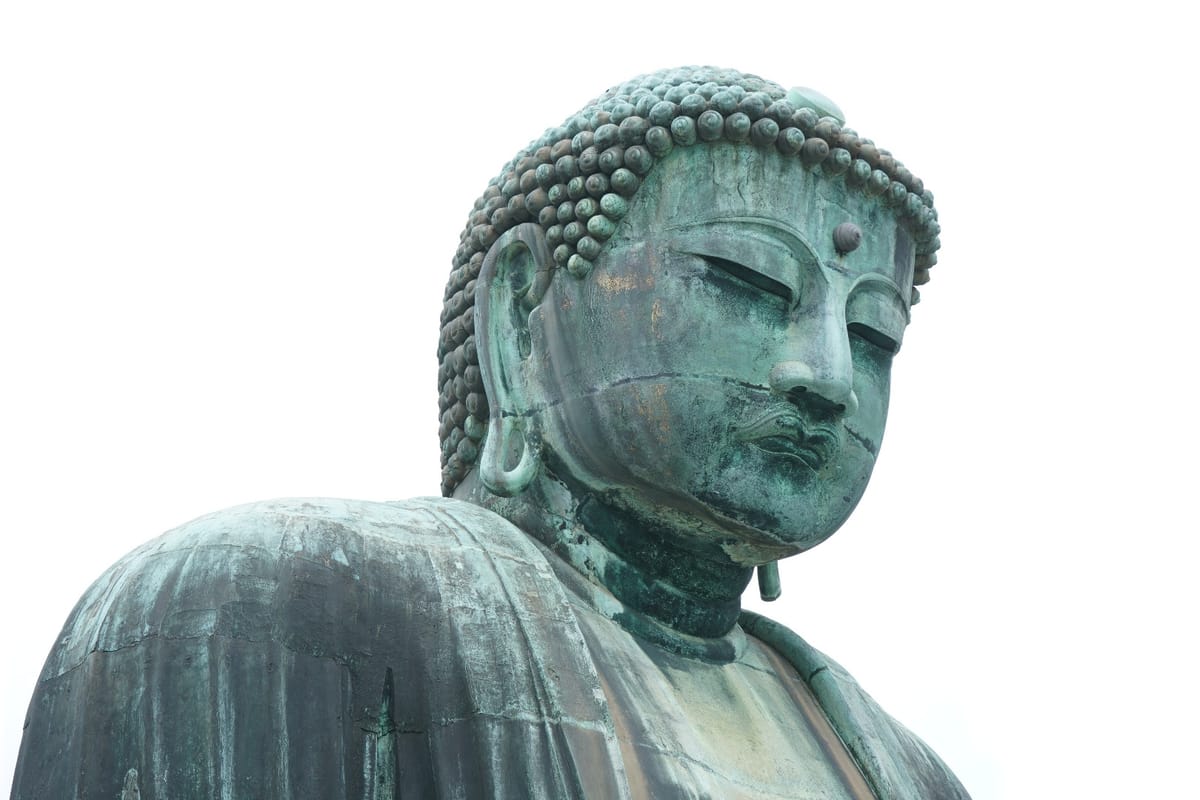
If you only take one day trip, take this one. A direct JR Yokosuka Line train from Tokyo Station reaches Kamakura in about 56 minutes, no changes, no reservations, nothing to book. Get off one stop early at Kita-Kamakura for the big Zen temples in the wooded valley, Engakuji and Kenchoji, then walk or ride one stop into town for Tsurugaoka Hachimangu shrine and the Komachi-dori shopping street.
The other anchor is Hase, a short Enoden tram ride away, where the Great Buddha sits outdoors at Kotoku-in (entry ¥300) and Hase-dera temple stacks its gardens up a hillside above the sea. The Enoden itself, a small tram that threads between houses and along the coast, is half the pleasure.
A word on the fare, because older guides get it wrong. JR East revised fares in March 2026, and Tokyo Station to Kamakura now costs ¥1,040 by paper ticket (¥1,034 by IC card), not the ¥950 you will still see quoted. It changes nothing about the decision, but it explains the surprise at the ticket gate.
Best for: first-time visitors, families, anyone with a spare half day that grew. Skip it if: you have already done Kyoto properly and want something Tokyo cannot echo, or if a rainy forecast would spoil the walking (Kamakura is an outdoor town).
Nikko is where the Tokugawa shoguns built their mausoleum, and Toshogu Shrine is unlike anything else in Japan: dense, gilded, carved everywhere, the opposite of the plain wooden restraint you see elsewhere. Entry is ¥1,600 for adults, and in winter (November to March) the shrine closes at 16:00, an hour earlier than summer, which matters for a day trip.
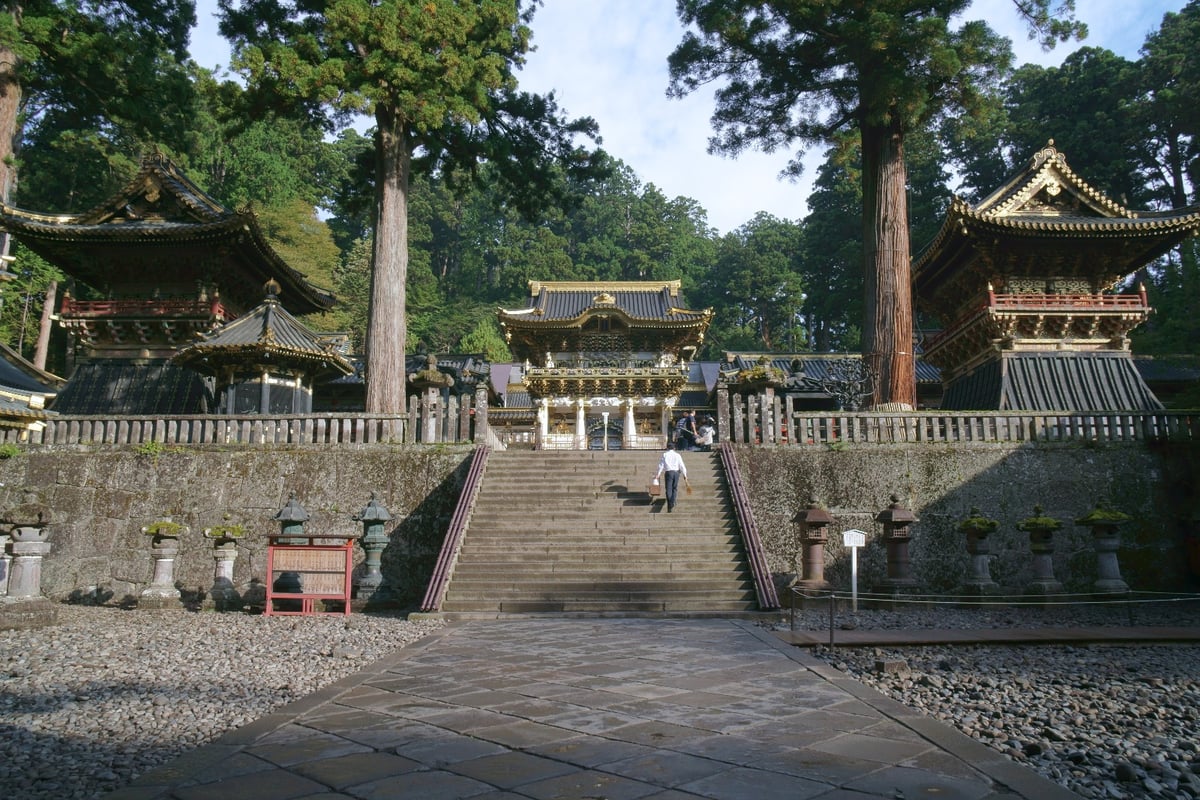
The Yomeimon gate at Toshogu, Nikko. They say you could look at it all day and not finish. Photo: Koichi Sato, CC BY-SA 4.0
Getting there is the Tobu Railway from Asakusa. The limited expresses, including the sleek SPACIA X, run direct to Tobu-Nikko in about 1 hour 50 minutes. A standard seat costs ¥3,340 one way in a normal season (¥1,400 fare plus ¥1,940 limited express charge, with the charge moving a little by season). Ordinary Tobu trains cost just the ¥1,400 fare but need changes and take considerably longer. Every limited express seat is reserved, so book the morning train a day or two ahead in autumn.
Be realistic about scope. Toshogu, Rinnoji and Futarasan fill a satisfying day on their own. Lake Chuzenji and the Kegon Falls are another bus ride up a mountain switchback road, and adding them makes a long day longer. In October the whole route is one of Japan's great autumn colour trips and one of its most crowded. In winter Nikko is cold, quiet and atmospheric, and the early closing is the price.
Best for: history lovers, photographers, autumn travellers with an early alarm. Skip it if: you are in Tokyo for three days or fewer (Kamakura gives you more per hour), or if the reserved-train planning puts you off.
Hakone is a circuit, not a sight. From Hakone-Yumoto you ride a switchback mountain railway, a cable car and a ropeway over the sulphur vents of Owakudani, cross Lake Ashi on a sightseeing ship, and come back by bus, with hot spring baths and the Hakone Open-Air Museum's sculpture lawns along the way. The Hakone Freepass (¥7,100 for two days from Shinjuku) covers the whole loop and the return trip to Tokyo, and Odakyu's Romancecar from Shinjuku reaches Hakone-Yumoto in about 85 minutes for ¥2,470 one way.
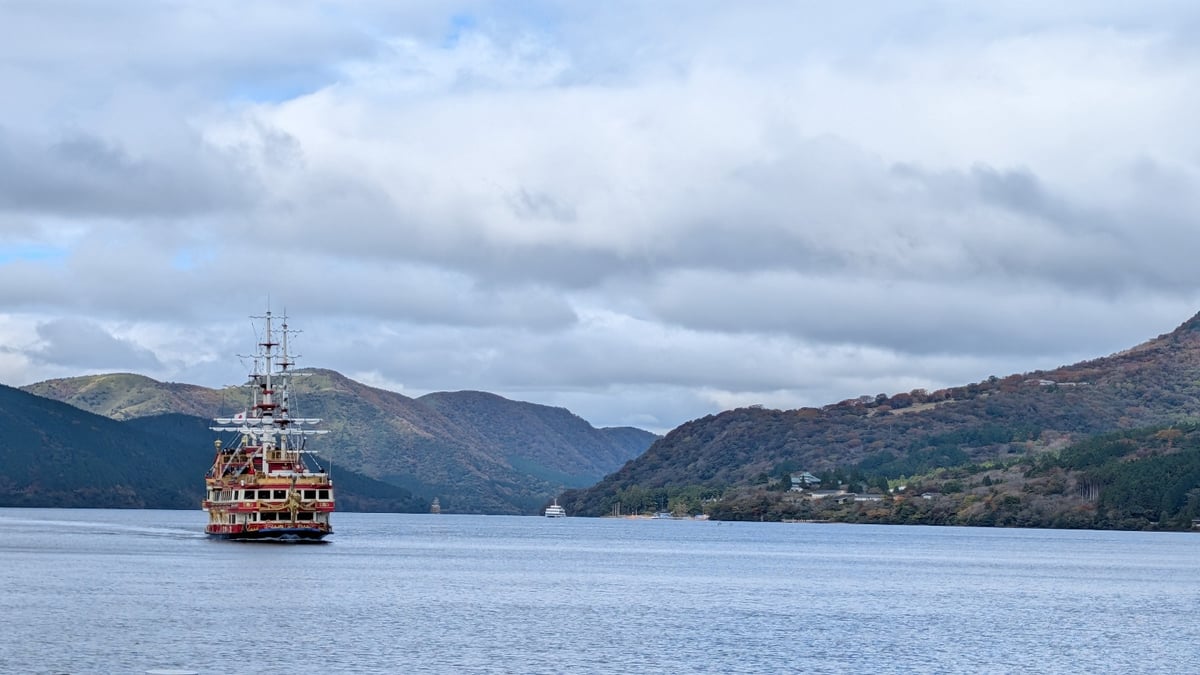
The Lake Ashi sightseeing cruise, one leg of the Hakone loop. Photo: Joli Rumi, CC BY-SA 4.0
You can do it in a day. People do, daily. But the loop takes four to five hours of moving even before you stop anywhere, the last connections back are not late, and the single best Hakone experience, an evening soak at a ryokan with a private bath and a proper dinner, belongs to the people staying over. As a day trip Hakone always feels slightly rushed. As one night away from Tokyo it feels luxurious. If Mt Fuji is your main reason for considering Hakone, read our Mt Fuji day trip guide (https://yonihon.com/travel-guide/mt-fuji-day-trip-from-tokyo/) before deciding, because the Five Lakes side is the surer bet for the mountain itself.
Best for: onsen lovers, rail enthusiasts, anyone who can spare a night. Skip it (as a day trip) if: your schedule is tight or the forecast is poor, since cloud and rain take the ropeway views and sometimes the ropeway itself.
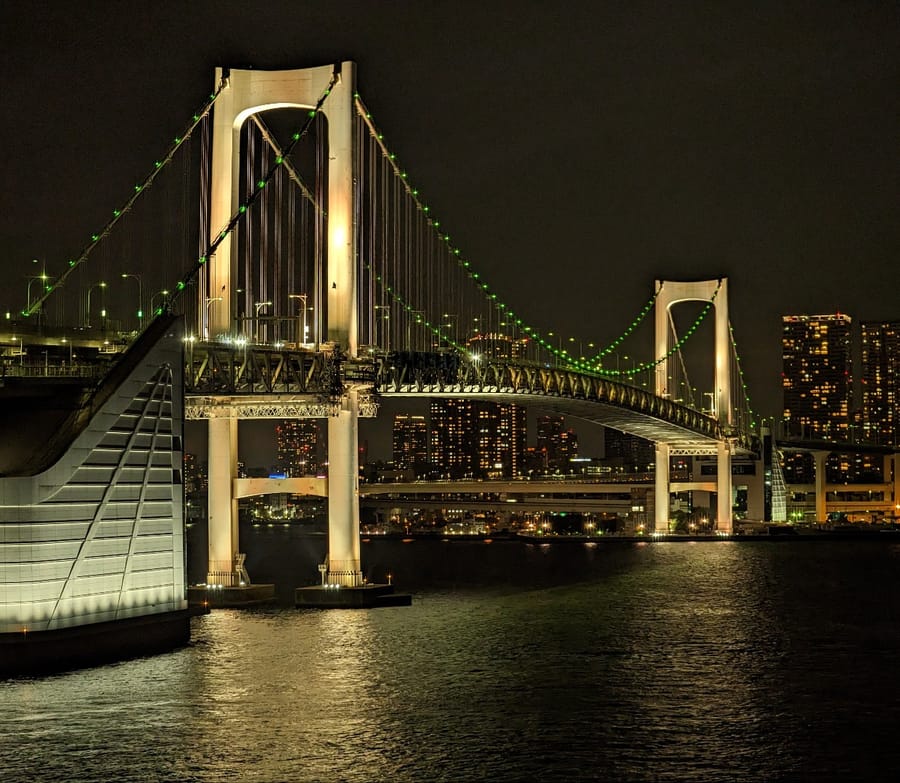
Yokohama is barely a trip at all. JR trains from Tokyo Station take about 25 minutes and cost ¥530 each way, and you can decide over breakfast, or even after lunch. It is a port city that grew up facing outward, and its sights are an easy waterfront string: the red brick warehouses, the Minato Mirai skyline and its big wheel, Japan's largest Chinatown for lunch, and two cheerfully specific museums, the CupNoodles Museum (where you design your own pot) and the Shin-Yokohama Ramen Museum a short hop away.
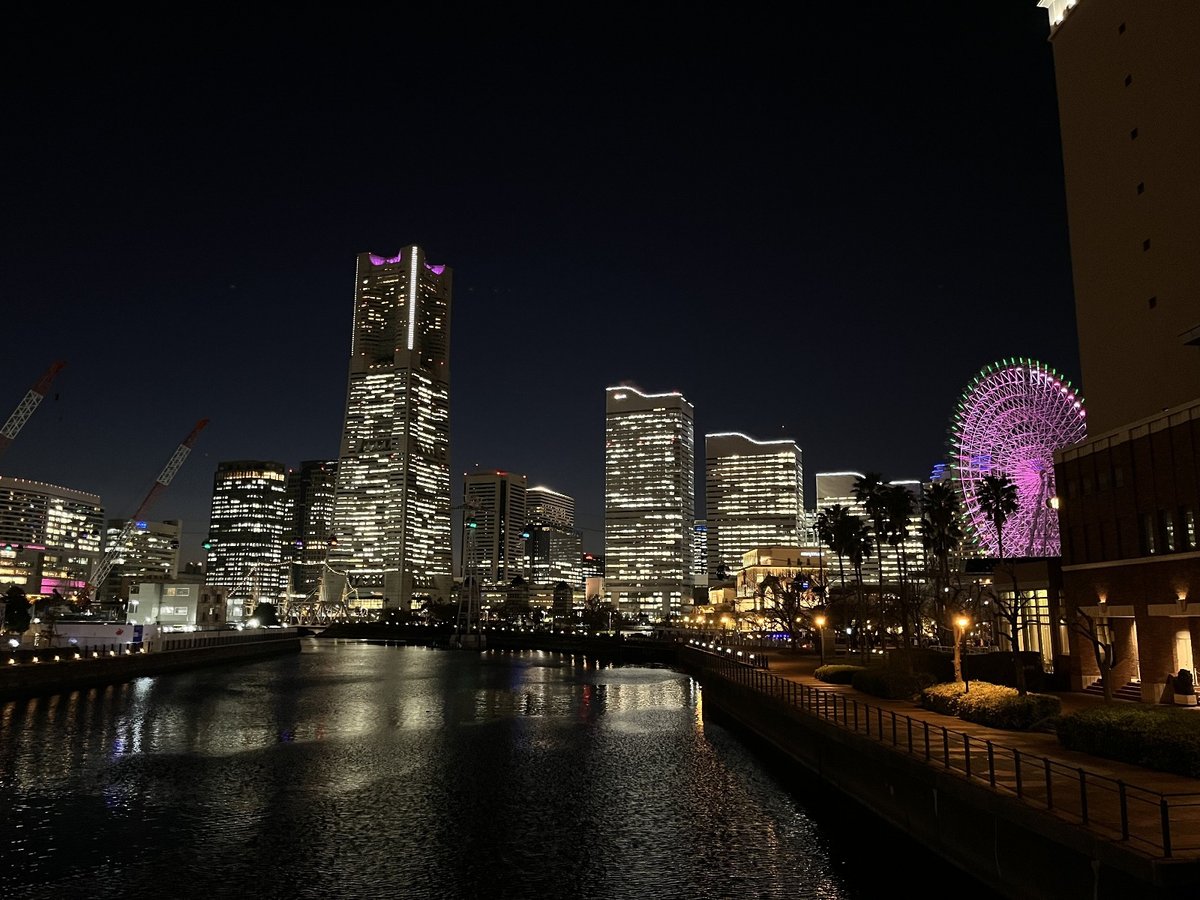
Minato Mirai, Yokohama. Twenty-five minutes from Tokyo Station and a different city entirely. Photo: Justin Taylor, CC BY 2.0
Yokohama also works after dark, which none of the other three really do. The waterfront lights up, Chinatown stays open late, and trains back to Tokyo run until late evening. It is the natural answer for a spare afternoon, a rainy morning that clears, or the last day of a trip when you are too footsore for temples.
Best for: everyone, honestly, but especially repeat visitors and families. Skip it if: this is your first trip and your days are few. Yokohama is a pleasure, not a priority, and Kamakura should take the slot first.
Short on time, first trip: Kamakura. It is the best ratio of reward to effort in the whole Tokyo area.
Want the single most impressive sight: Nikko, with an early train and the whole day given to it.
Want to slow down: Hakone, but book the night. Your future self, in the bath, will approve.
Want zero planning: Yokohama, decided at breakfast, home for a late dinner in Tokyo.
And whichever you choose, the mechanics are the same as anywhere in Japan: an IC card, an early start for the far ones, and a check of the return trains before the last sightseeing stop. Getting Around Japan (https://yonihon.com/travel-guide/getting-around-japan-trains-ic-cards-jr-pass/) covers the passes and cards in the detail they deserve.