9 min · November 24, 2026
10 min · November 24, 2026
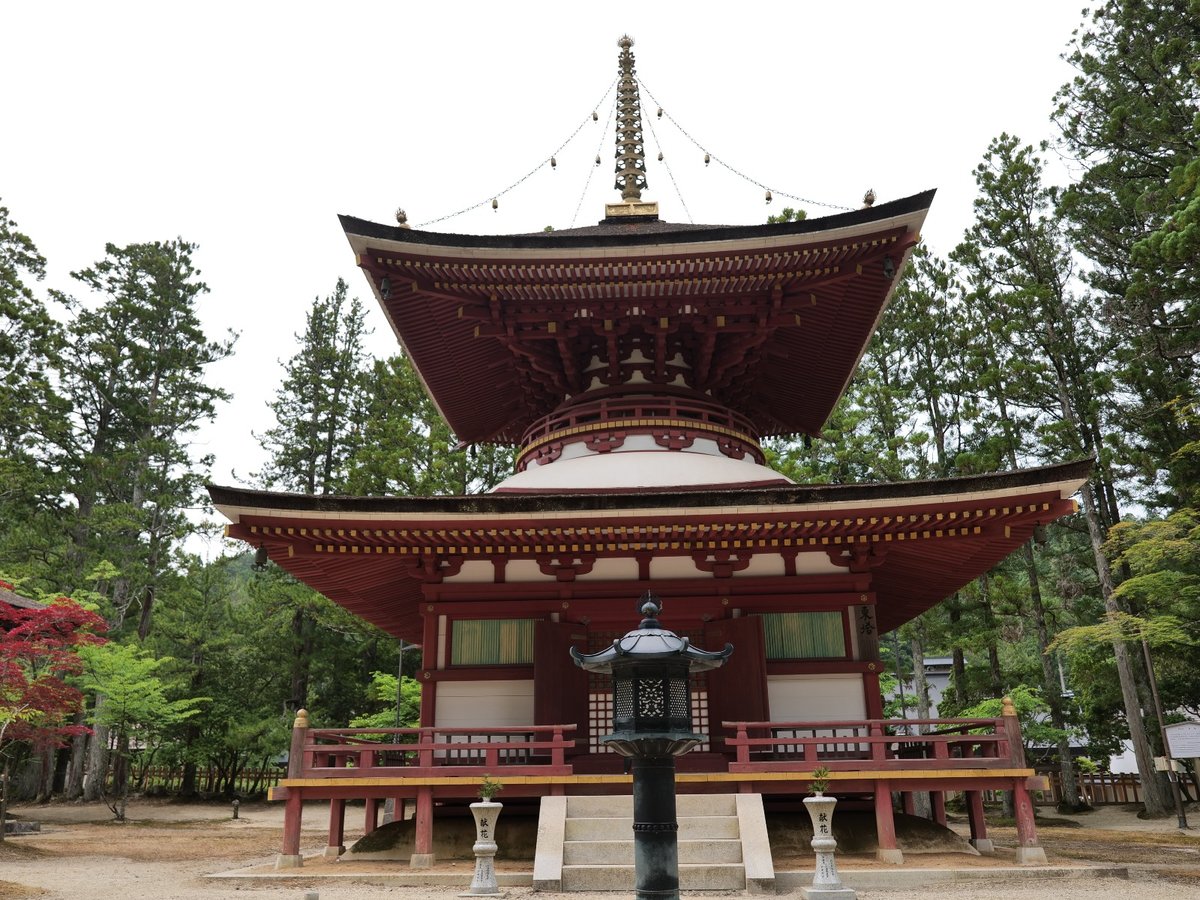
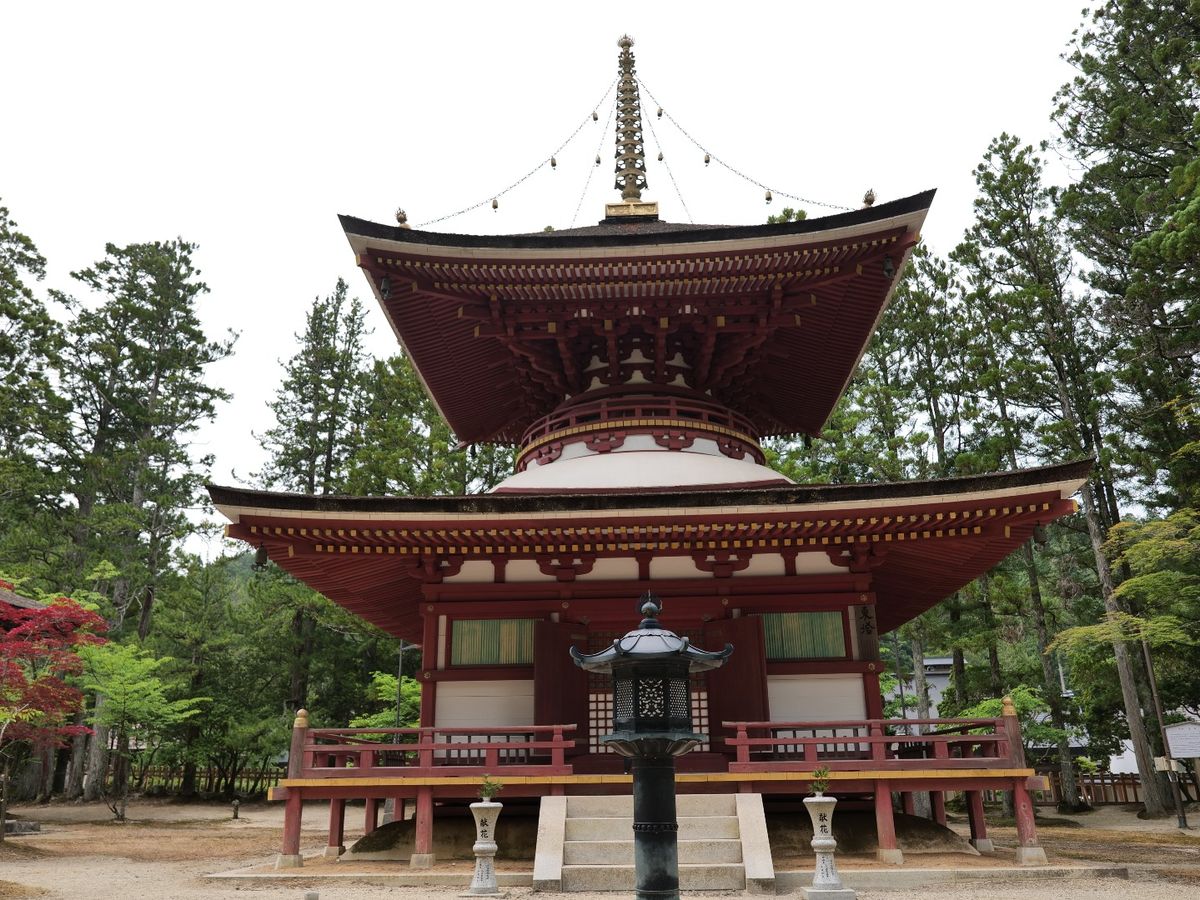
Caption: Koyasan, the mountain temple town in Wakayama where one of the fifteen experiences below involves sleeping in a working temple. Photo: Hyppolyte de Saint-Rambert, CC BY 4.0
Sightseeing fills a camera roll. Making something fills the suitcase, and usually the memory too. Japan is unusually good at letting visitors do rather than watch: craft towns run beginner workshops as a matter of course, cooking studios teach in English, and temples open their morning routines to overnight guests.
Each experience below puts a tool, an ingredient or an instrument in your hands, in a place with a genuine claim on the craft. All fifteen suit first-time visitors; English support varies and is flagged for every entry. Prices were checked against operators and official tourism sources in November 2026, are per person unless stated otherwise, and should be confirmed when you book.
A broken bowl is not binned in this tradition. It is mended with lacquer and dusted with gold, so the crack becomes the most valuable-looking part of the piece. In a beginner workshop you take a pre-broken ceramic through the final stages yourself: joining, filling, tracing the seam and applying the gold finish, then take it home the same day. Full traditional kintsugi takes weeks of curing, which is why workshops use modern materials or a vessel prepared through the early stages.
Time and price: Same-day simplified workshops in Tokyo run about 90 minutes and start from around ¥6,600. A small English-led session in Asakusabashi using natural urushi and real gold costs ¥20,000 for two hours.
Good to know: Booking required. The real-gold session sets a minimum age of 12, and simplified courses suit teenagers up better than young children.
Caption: Gold lacquer repair on a museum tea bowl. Workshop pieces use the same principle: the break is highlighted, never hidden. Photo: Daderot, CC0
Taiko is drumming you feel through the floor. A beginner session starts with stance and grip, moves through call-and-response rhythms, and ends with the whole group playing one piece together. Nobody expects you to read music; the teacher leads every pattern by voice and gesture first.
Time and price: Trial sessions at TAIKO-LAB in Aoyama are listed by GO TOKYO at ¥6,160. A 90-minute workshop with English and Japanese instruction costs ¥10,000.
Good to know: Book ahead; walk-ins are not accepted at the bilingual workshop. Children from age 6 can join that session.
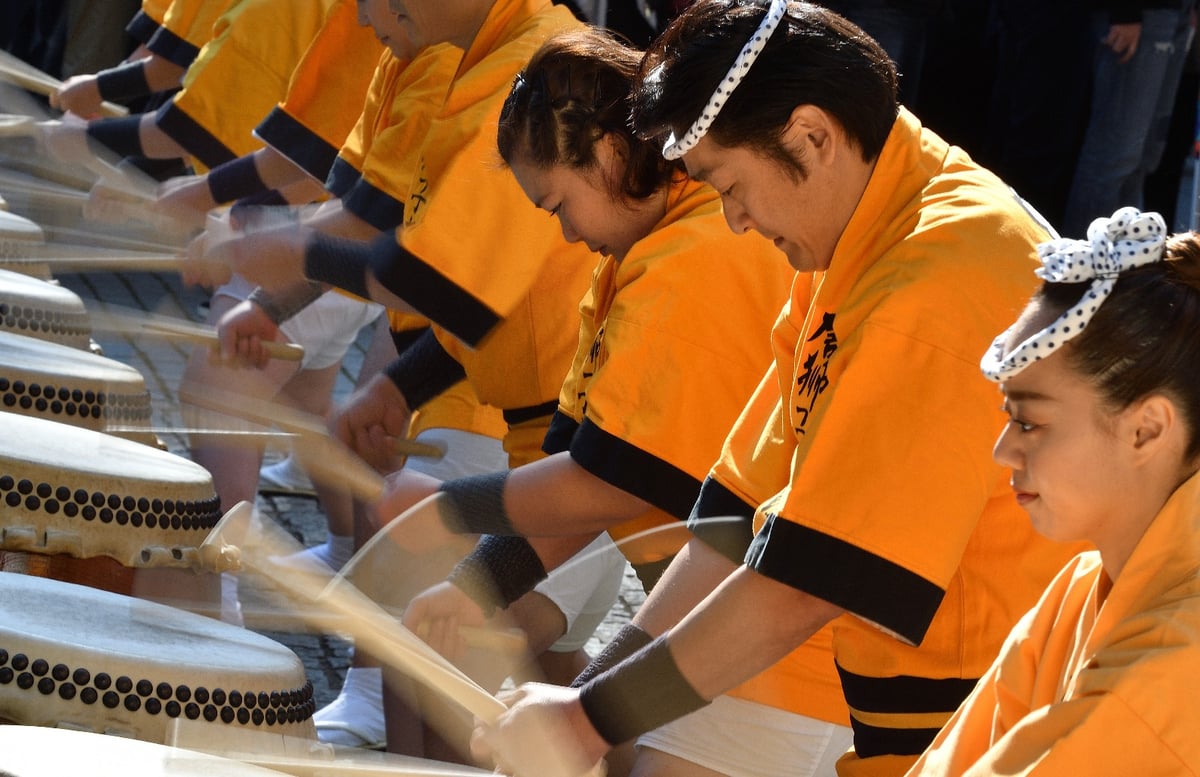
Caption: Taiko is played with the whole body. A beginner class teaches the stance before it teaches any rhythm. Photo: AshleyBrownPix, CC BY-SA 4.0
Tsukiji Outer Market still feeds Tokyo's professional kitchens, and cooking studios inside it teach where the fish comes from. At Tsukiji Cooking, the longer class starts with a guided walk through the market lanes, then moves indoors to season rice, shape nigiri, roll maki and make temari sushi, with teriyaki fish and miso soup too. You eat everything you make, which concentrates the mind on the shaping stage.
Time and price: Two hours for the class alone at ¥15,400, or three hours with the market tour at ¥17,600.
Good to know: Taught in English, bookable from one person, no cooking experience expected. Mention dietary needs when you book.
One entry from YoNihon's own programme, kept brief because this site covers Asakusa in depth elsewhere. In a small Asakusa workshop you hammer and shape a silver ring with a maker guiding each step, and wear it out of the door about an hour later.
Time and price: About 1 hour, ¥3,850 per person.
Good to know: Book the private ring-making experience at Asakusa Hanare (https://yonihon.com/experience/private-ring-making-experience-at-asakusa-hanare-tokyo/) ahead. For the rest of the neighbourhood, see our guide to the best things to do in Asakusa (https://yonihon.com/travel-guide/best-things-to-do-in-asakusa/).
The round red daruma doll began at Shorinzan Daruma-ji, a Zen temple in Takasaki, and the temple still runs a painting room in its Zuiunkaku hall. You paint the face of a plain doll and add your own details, and a monk can perform an eye-opening blessing on the finished piece. Takasaki is about an hour from Tokyo by shinkansen, which makes this one of the easiest craft trips on the list.
Time and price: About 30 minutes, ¥1,500 for a 12 cm doll or ¥2,000 for a 15 cm one.
Good to know: Individuals walk in between 10:00 and 15:30; only groups of ten or more need to book. The temple approach involves a long flight of steps up to the painting hall.
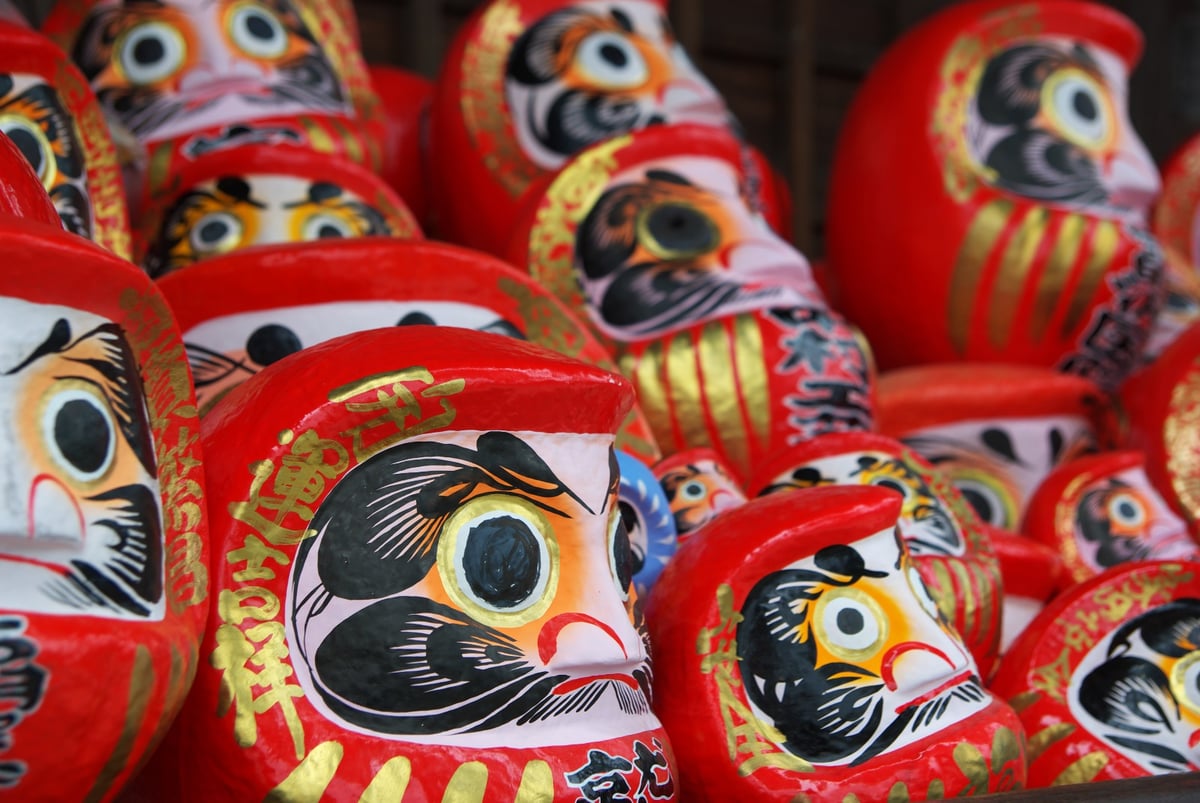
Caption: Finished daruma at Daruma-ji. Yours starts blank, which is rather the point. Photo: puffyjet, CC BY 2.0
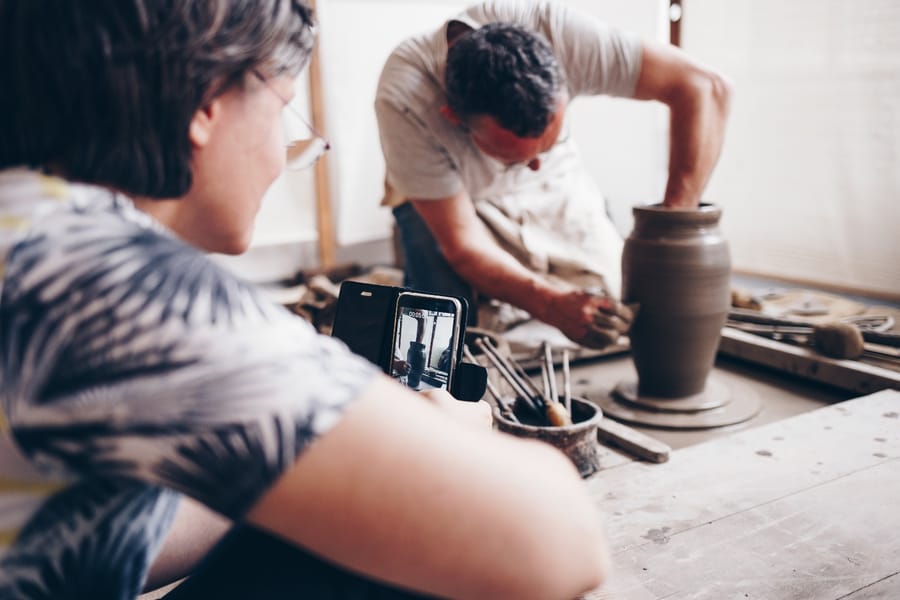
Mashiko is a working pottery town, home to roughly 250 kilns and studios. At the kiln cooperative's class, an hour on the wheel costs ¥4,070 including materials; the small studio Pottery Fuwari offers one-group-at-a-time lessons with guidance in English from ¥3,000. Your pieces are glazed and fired by the studio and posted to you, usually about two months later, with firing and postage charged on top.
Time and price: 40 minutes to 2 hours depending on the studio; from around ¥3,000 before firing and shipping.
Good to know: Reserve ahead and wear clothes that can take clay. Children throw successfully here at family-oriented kilns, with a potter's help.
Togakushi, a shrine village in the mountains above Nagano City, grows some of Japan's most respected buckwheat. At the Tonkururin soba museum you mix flour and water, knead, roll the dough thin and cut it with a heavy soba knife, then sit down and eat the noodles you made.
Time and price: About 1 hour of making, plus lunch. A batch costs ¥4,800 for two people or ¥7,800 for four, booked through the Togakushi Tourism Association.
Good to know: Instruction is in Japanese, though the process is easy to follow by watching. The museum opens from early April to late November. Buckwheat is an allergen, so this one is not for everyone at the table.
Arimatsu has produced shibori, cloth bound, stitched or clamped before dyeing, for over 400 years. At the Arimatsu-Narumi Shibori Kaikan you bind a handkerchief yourself under a demonstrator's eye; the hall dyes it afterwards and posts it to you, usually within ten days to three weeks. Weekend visitors can choose the itajime-sekka hand towel session instead and carry the piece home the same day. Smaller studios in the district, bookable online through the Arimatsu Meguri programme, dye and untie on the spot.
Time and price: About 1 hour at the Kaikan, ¥1,800 for a handkerchief; studio tenugui sessions run about 90 minutes at ¥3,300.
Good to know: Reservation required at the Kaikan. Tuition is Japanese-led with an English leaflet available.
The replica dishes in restaurant windows across Japan are an industry, and Gujo Hachiman is where it began in the 1930s. At Sample Village Iwasaki, run by the founding maker, you drip melted wax into hot water and shape it into tempura, and build a lettuce leaf so convincing it needs a warning label. Sample Kobo in the old town runs a similar menu.
Time and price: About 30 minutes. The tempura and lettuce set costs ¥2,000 at Sample Village Iwasaki; Sample Kobo's tempura set is ¥3,000.
Good to know: Book ahead at Iwasaki; at Sample Kobo most menus take walk-ins but the tempura session should be reserved. The tempura work uses hot wax and is for elementary school age and above. Tuition is mainly Japanese, and the steps are visual enough to follow.
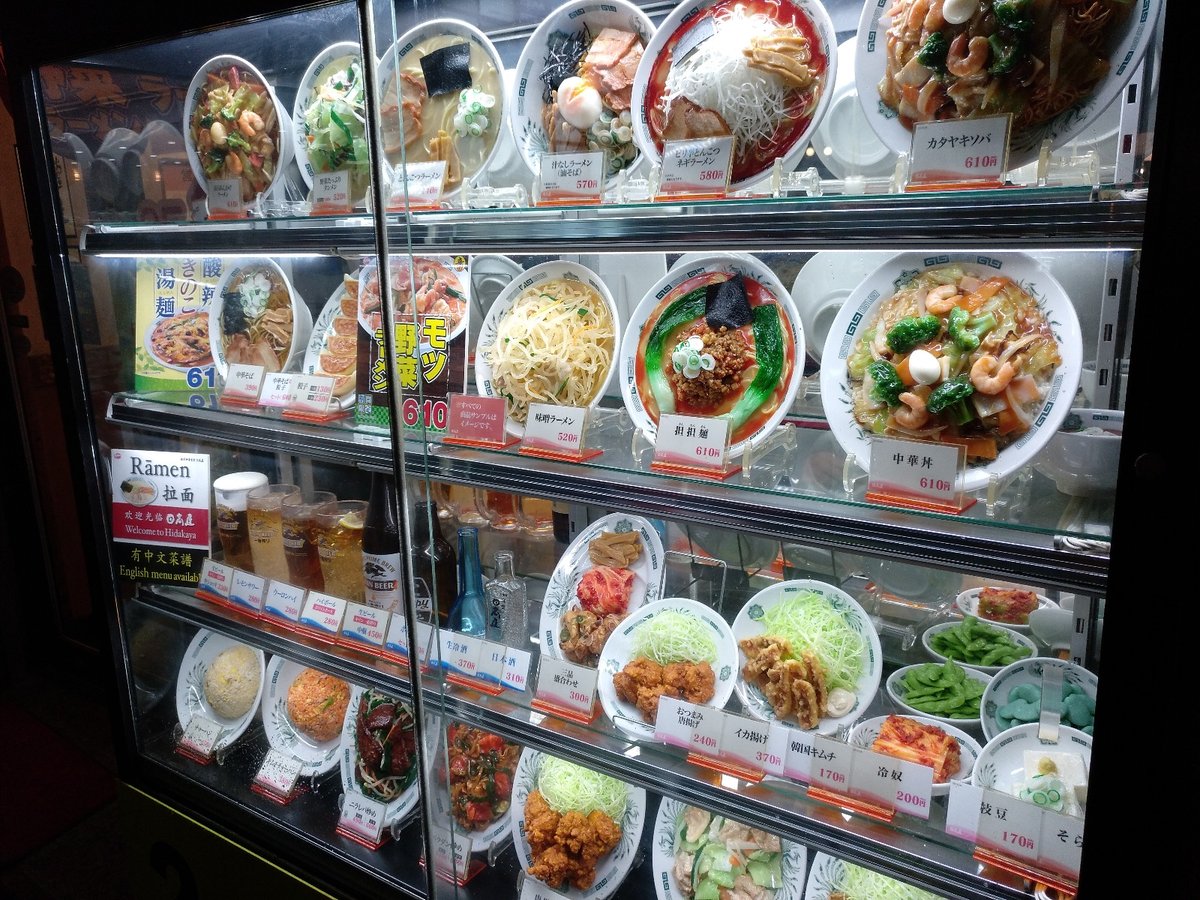
Caption: Replica food fills restaurant windows all over Japan. In Gujo Hachiman you can make the tempura yourself. Photo: Pablo, CC BY 2.0
Kanazawa produces almost all of Japan's gold leaf, beaten to a ten-thousandth of a millimetre. At Kinpakuya Sakuda, founded in 1919 near the Higashi Chaya district, you choose an object such as chopsticks, a small plate or a hand mirror, mask out a design, brush on adhesive and lay the leaf, which behaves like a living thing in any stray breath of air. Peel the masking away and the pattern is yours to take home.
Time and price: About 60 minutes, from ¥1,760 depending on the item, with four start times a day.
Good to know: Reservation required. The official tourism listing stresses that anyone, young or old, can take part, which makes it one of the easiest entries here for mixed-age groups.
Sakai's blades have been forged for centuries, and the city's workshops let visitors complete the final stages of a real knife rather than a souvenir miniature. Booked through the Sakai Tourism and Convention Bureau, the session at Wada Shoten pairs you with a craftsman to sharpen your chosen santoku, deba or sashimi knife on whetstones and fit its handle. The finished knife goes home with you, along with the skill to maintain it.
Time and price: About 90 minutes, around ¥16,500 to ¥18,000 including the knife.
Good to know: Book at least three days ahead; most sessions need a minimum of two people. Tuition is in Japanese, with a higher-priced interpreter plan available. An adult experience by nature.
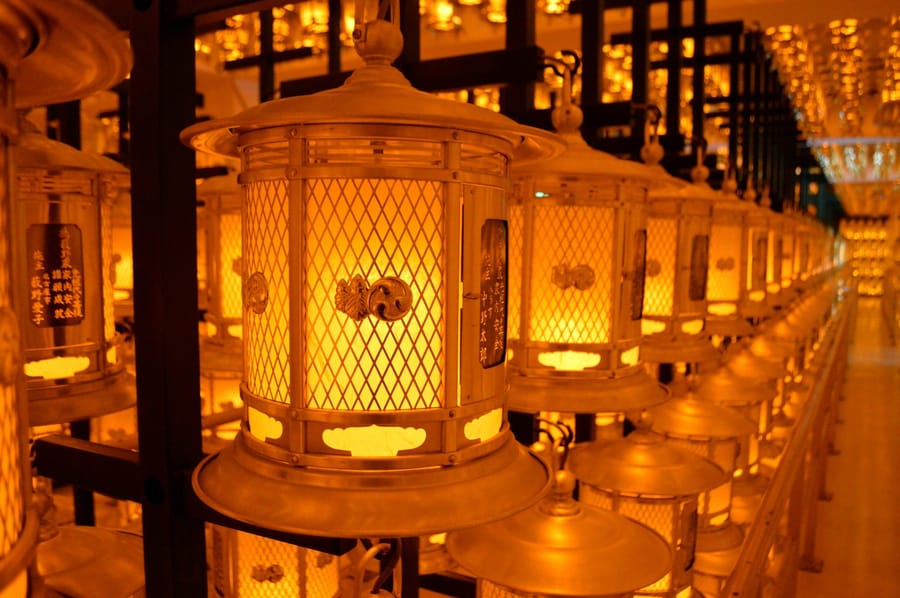
The most immersive entry on this list is an overnight stay. Koyasan, the monastic town founded by Kukai over 1,200 years ago, has around fifty shukubo, temple lodgings that take guests. You sleep on a futon in a tatami room, eat shojin ryori, the monks' vegetarian cuisine, at a set early hour, and join the morning service at around 6:00 or 6:30. Some temples add more: at Eko-in, guests can try ajikan meditation each afternoon and sutra copying, both included for overnight guests.
Time and price: One night. The Koyasan Shukubo Association's starting rates begin at ¥13,200 per adult including dinner and breakfast, rising with private bathrooms and room type.
Good to know: Book through the association or the temple. No faith is required, but the timetable is the temple's, not yours: fixed meal times, shared baths at most temples and an early night are part of the deal.
Awa indigo from Tokushima coloured much of Japan's cloth for centuries, earning the deep blue the name Japan Blue. Ai no Yakata, a preserved indigo merchant's house in Aizumi, dyes with traditionally fermented indigo and lets visitors pattern a handkerchief, bandana or stole before dipping it in the vat. The colour arrives as the cloth meets the air, turning from green to blue in front of you.
Time and price: About 30 to 40 minutes of dyeing, from ¥1,000 for a handkerchief, plus museum admission of ¥300 for adults.
Good to know: Individuals need no reservation (groups of ten or more do), and the museum closes on Tuesdays. JNTO notes that staff can guide visitors through the stages in English, and an English brochure is available.
Upopoy, the National Ainu Museum and Park on Lake Poroto, is where Japan presents the culture of its Indigenous Ainu people, and its Crafts Studio is properly hands-on. In an hour you can embroider an Ainu pattern onto a bag or frame, or carve one into a wooden coaster or smartphone stand, with Ainu staff teaching the meaning behind the motifs as you work. Shorter sessions teach the mukkuri mouth harp and tonkori zither.
Time and price: Craft workshops take about 60 minutes and cost ¥1,000 (a coaster embroidery is free). Park admission is ¥1,200 for adults and free for ages 15 and under.
Good to know: Sign up at the studio on the day, a few minutes before the start; craft workshops are for ages 9 and over. Explanatory materials come in English and several other languages.
Okinawan pottery, yachimun, is bold, earthy and made to be used, and its home is Tsuboya, the old potters' quarter of Naha. At Ikutouen's Yachimun Dojo, run by a sixth-generation Tsuboya potter, the signature session is shaping a shisa, the lion-dog guardian on Okinawan roofs and gateposts. Wheel throwing, hand-building and painting a ready-made piece are also on the menu. Fired work is posted to you after a month or two, shipping charged separately.
Time and price: Shisa making takes 60 to 90 minutes from ¥4,400; a 30-minute wheel session is ¥4,950; hand-building and painting start at ¥4,400.
Good to know: Reserve ahead; walk-ins are taken only when space remains. Clay work suits children well; instruction is Japanese-led, with demonstration doing most of the talking.
| Experience | City or area | Type | Time needed | Booking |
|---|---|---|---|---|
| Kintsugi | Tokyo | Craft (ceramic repair) | 90 min to 2 hours | Required |
| Taiko drumming | Tokyo | Performing art | 60 to 90 min | Required |
| Sushi making | Tsukiji, Tokyo | Cooking | 2 to 3 hours | Required |
| Ring making | Asakusa, Tokyo | Craft (jewellery) | About 1 hour | Required |
| Daruma painting | Takasaki, Gunma | Craft (folk art) | About 30 min | Walk in (groups book) |
| Pottery throwing | Mashiko, Tochigi | Craft (ceramics) | 40 min to 2 hours | Required |
| Soba making | Togakushi, Nagano | Cooking | About 1 hour plus lunch | Required |
| Shibori dyeing | Arimatsu, Nagoya | Textile craft | 1 to 1.5 hours | Required |
| Food sample making | Gujo Hachiman, Gifu | Craft (replica food) | About 30 min | Book ahead recommended |
| Gold leaf work | Kanazawa, Ishikawa | Craft (gilding) | About 60 min | Required |
| Knife finishing | Sakai, Osaka | Craft (blades) | About 90 min | Required, 3+ days ahead |
| Temple stay | Koyasan, Wakayama | Cultural stay | One night | Required |
| Indigo dyeing | Aizumi, Tokushima | Textile craft | 30 to 40 min | Walk in (groups book) |
| Ainu crafts | Shiraoi, Hokkaido | Indigenous craft and music | About 60 min | Sign up on the day |
| Yachimun pottery and shisa | Naha, Okinawa | Craft (ceramics) | 30 to 90 min | Required |
Which of these suit complete beginners? All fifteen. Every entry is a beginner format by design; teachers demonstrate each stage and step in when a wheel wobbles or a seam strays. The only entries where patience matters more than enthusiasm are kintsugi and knife sharpening, both deliberately slow crafts.
Can children join? Often, with age floors that vary. Daruma painting, gold leaf, indigo dyeing and food samples (from elementary age for the hot-wax menus) are the easiest wins for families. Taiko takes children from 6 at the bilingual workshop, Upopoy's craft sessions start at 9, kintsugi at 12 for the real-gold session, and the Sakai knife workshop is for adults. Where no floor is stated, ask when you book.
Is English support available? It is strongest in Tokyo: the Tsukiji sushi class is taught in English, the taiko workshop is bilingual, and Mashiko's Pottery Fuwari teaches in English. Upopoy provides explanatory materials in English, and Ai no Yakata has English guidance and a brochure. The craft-town workshops in Arimatsu, Gujo Hachiman, Sakai and Naha are generally Japanese-led, with Sakai offering a paid interpreter plan. Craft travels well without a shared language, since every stage is shown before it is attempted, but book the English-led options if detailed explanation matters to you.
What about access? Workshops tend to occupy small, older buildings, and two entries involve terrain: the Daruma-ji painting hall sits up a long flight of temple steps, and Koyasan means tatami rooms, futons and shared baths at most temples. If step-free access or a private bathroom is essential, contact the operator before booking; the shukubo association lists facilities per temple.