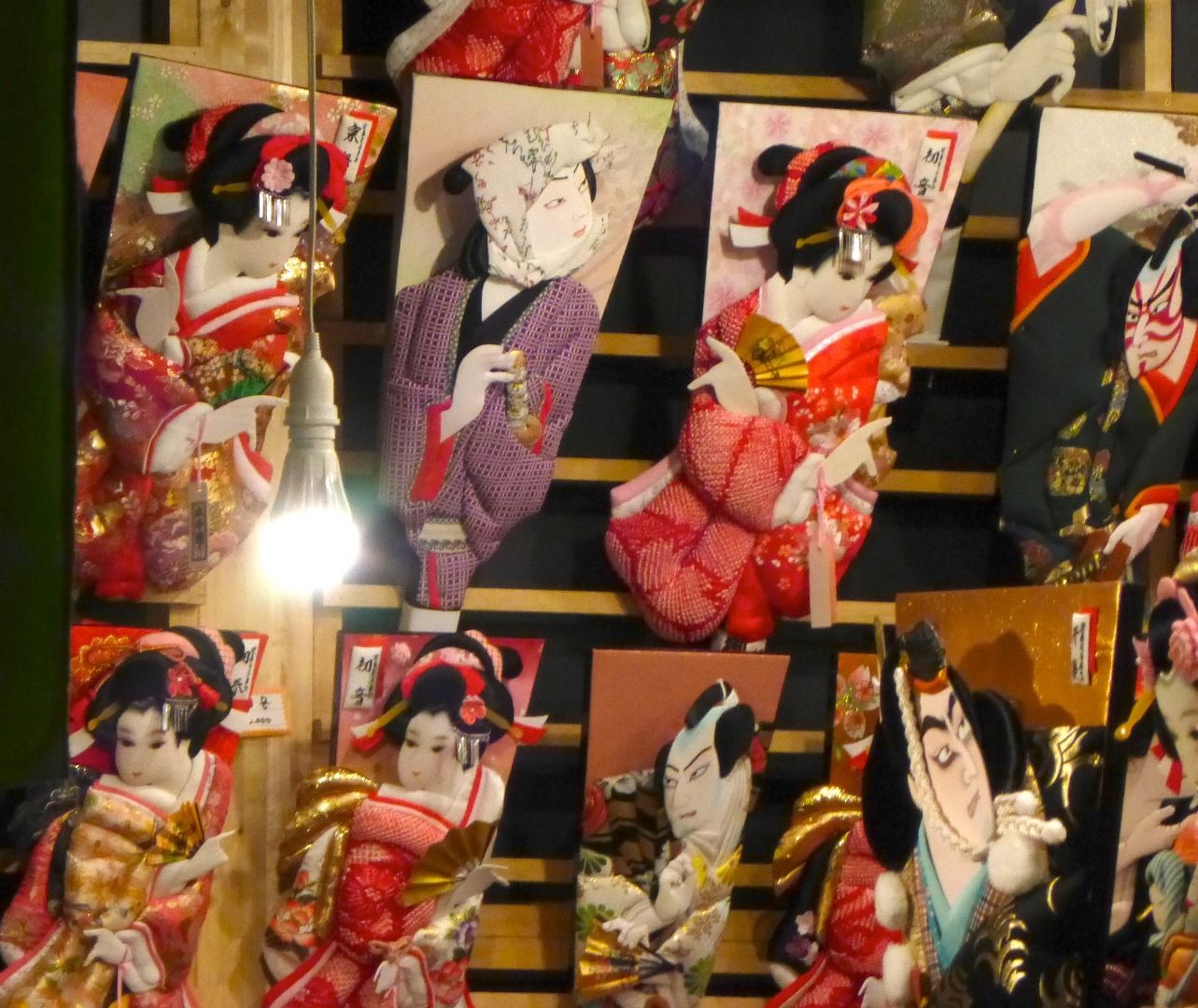
For three days every December, the grounds of Senso-ji stop being just a temple visit and turn into a market. Dozens of stalls pack the courtyard, and every one of them is hung with hagoita, wooden battledores covered in padded silk pictures of kabuki actors, geisha, sumo wrestlers, and whoever became famous that year.
The fair started in the Edo period as the Toshi no Ichi, a year-end market for New Year goods, and it has been running for more than 350 years. Hagoita took over because of what they mean: the feather on the shuttlecock resembles a dragonfly, a creature that eats harmful insects, so a battledore became a charm against illness and bad luck, and the gift you gave when a baby girl was born. Prices run from small, inexpensive charms to serious money for a craftsman's best work, and the stall keepers still sell the old way (loud, theatrical, and part of the show).
Go on December 18 if you want the full weight of it: that's Osame no Kannon, the temple's last Kannon day of the year, and the busiest day of the fair. And since you're in Asakusa anyway, our private ring-making workshop is a few minutes away. Fair in the morning, your own handmade ring by afternoon.
Photos: Nesnad (CC BY 3.0 / CC BY-SA 3.0), via Wikimedia Commons. Utagawa Hiroshige, "Asakusa Kinryusan Toshi no Ichi" (CC0), The Met.
Dozens of stalls selling ornate oshie hagoita, kabuki actors, zodiac designs and the famous faces of the year A year-end fair with over 350 years of history at Tokyo's oldest temple Dec 18 is Osame no Kannon, the temple's last Kannon day of the year, and the fair's busiest day Hagoita are traditional lucky charms, long given to celebrate the birth of a baby girl Traditional Edo craftsmanship, and the stall keepers' spirited sales patter is half the fun
•Dates and hours: Thu Dec 17 – Sat Dec 19, 2026, 9:00–19:30 (closes 19:00 on the final day)
•Admission: Free to enter the temple grounds; hagoita range from small charms to collector pieces
•Getting there: about a 5-minute walk from Asakusa Station (Ginza Line, Asakusa Line, Tobu Skytree Line, Tsukuba Express)
•Dec 18 is the busiest day, so come early, or choose Dec 17 for smaller crowds
•Make a day of it: Nakamise shopping street and the Asakusa ring-making workshop are right there

You cannot run the 2027 Tokyo Marathon, because the 40,000 places went in a ballot that closed in August 2026. But race day, Sunday 7 March 2027, is one of the great free shows in Tokyo: wheelchair racers at 9:05, the world's best marathon runners at 9:10, then hours of costume runners, all on closed streets from Shinjuku to Tokyo Station. Here is where to stand.
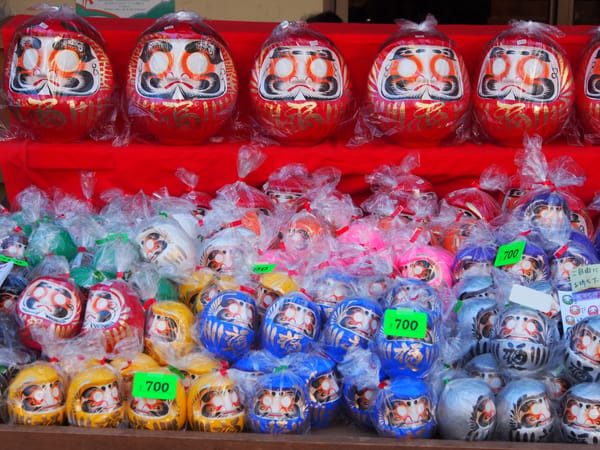
For two days every March, hundreds of stalls fill the grounds of Jindaiji Temple in Chofu with daruma dolls of every size and colour, and monks open each new doll's first eye with a Sanskrit character. It is one of Japan's three great daruma markets, an easy bus ride from Shinjuku.
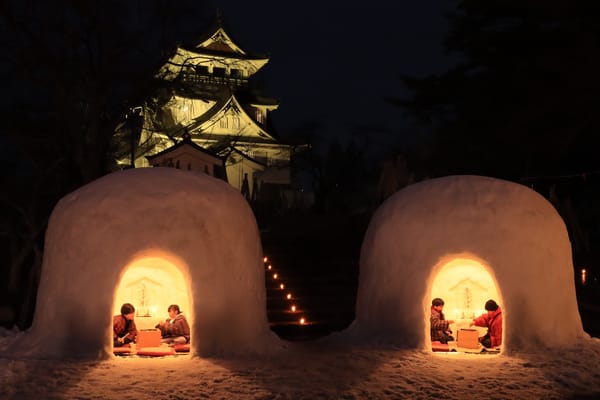
On 12 and 13 February 2027, and note that the dates have moved, the children of Yokote in Akita invite strangers into candle-lit snow huts and serve them grilled mochi and sweet amazake. The custom is about 450 years old, and it only happens on two evenings a year.
