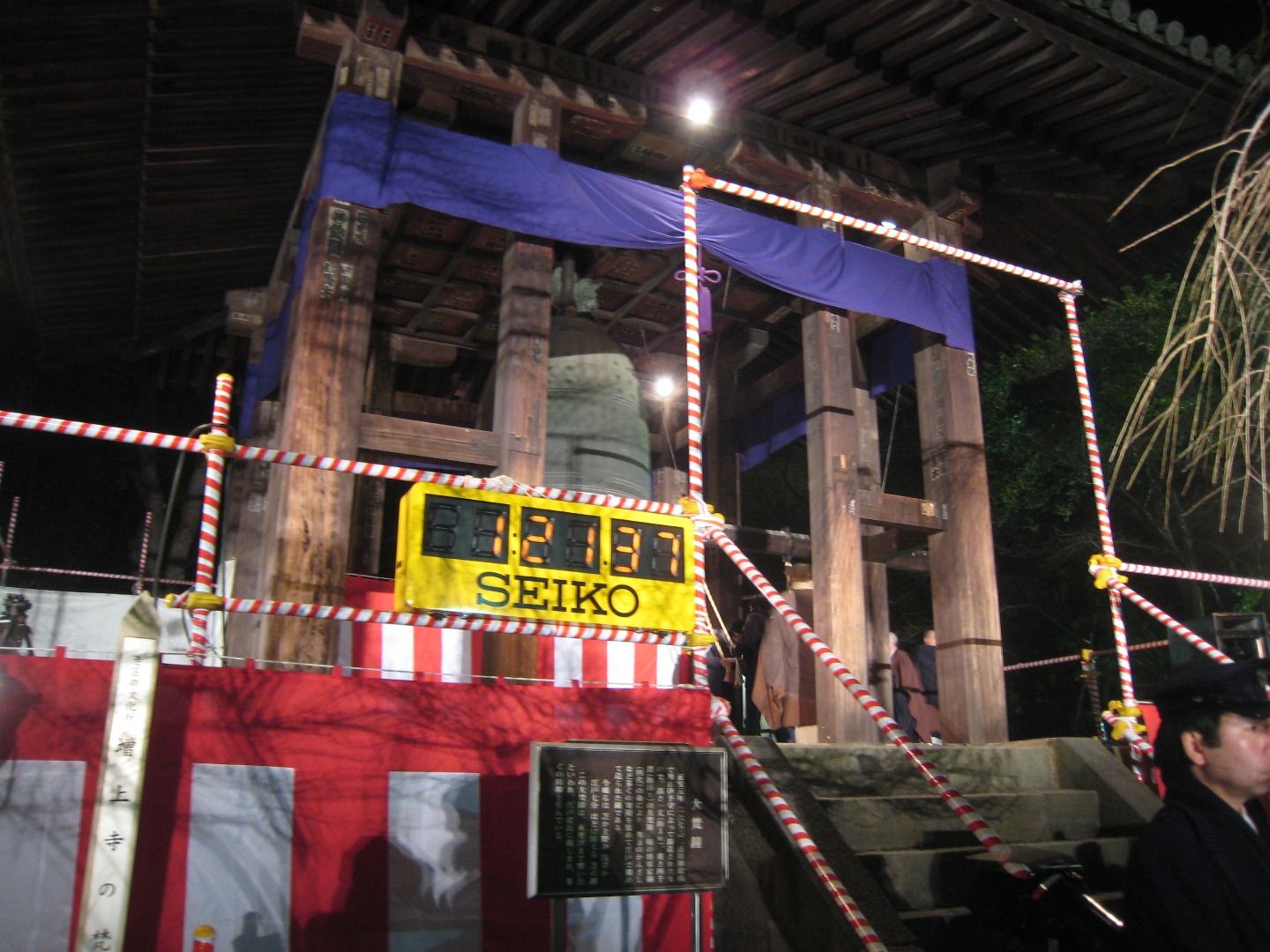
On the last night of the year, temple bells across Japan are struck 108 times. The number comes from the bonno, the 108 earthly desires that Buddhist teaching says cloud the mind, and each strike is meant to leave one of them behind in the old year. Few places do it with a better backdrop than Zojoji in Shiba Park, where the bell tower stands among the trees and Tokyo Tower rises straight behind the temple roofs.
The bell itself, the Daibonsho, was cast in 1673 and is counted among the three great bells of Edo. Local tradition says its size defeated the founders six times before the seventh casting held, and an Edo-period saying had its voice carrying to the far end of the western provinces. It is rung the old way, with a suspended wooden beam swung on ropes, and it takes four people pulling together to land each strike properly.
Zojoji has changed its timing for 2026, and it is the single most useful thing to know before you go. Citing the crowds that now pack the grounds, the temple has brought the whole ceremony forward. The service begins at 21:30, the chief abbot strikes the first bell at 21:45, and groups of four visitors then work through the 108 strikes, finishing at around 23:00. In other words, Zojoji now rings the old year out before midnight rather than across it. Anyone who turns up at midnight expecting the first strike, as in past years, will find the bell already silent. The night does not end there: the Shushoe, the first service of the new year, is held in the main hall at midnight, the first prayers of the year run from 00:00 to 02:30, and the counters selling charms and fortunes stay open from 22:00 right through to 18:00 on New Year's Day, with food stalls set up in the grounds.
Ringing the bell yourself takes a ticket, and tickets are not sold on the night. They are handed out in person from 9:00 on 1 December at the temple office, on the second floor of the Kaikan hall, for a ¥2,000 offering with a small commemorative gift, and numbers are limited. One ticket means one person on the rope. Unless your party holds four tickets, you will be grouped with other visitors for your strike, which is part of the fun of the thing. Listening from the grounds costs nothing and needs no ticket.
The other famous Tokyo option keeps the traditional pattern. At Senso-ji in Asakusa, a service is held first on Bentenyama, the small hill in the south-east of the grounds where the Toki no Kane bell hangs. At midnight the bell sounds, the crowd cheers, three uncounted strikes (the sute-gane) follow, and then members of the Hyakuhachi-kai, the society named for the 108 strikes, ring the full 108 over about 40 minutes, carrying the sound well into the new year. Visitors cannot ring at Senso-ji; you stand in the grounds, listen, and then join the first shrine and temple visits of the year as the crowds move towards the main hall. The grounds begin to fill from dusk, so there is a trade-off: Zojoji lets you ring and still make midnight plans, Senso-ji gives you the bell at midnight itself, with far bigger crowds.
Two practical notes. The Sangedatsumon, Zojoji's great red gate, is under repair, and it is closed to passage from 19:00 on 31 December until 17:00 on 3 January, so follow the signed route into the grounds; there is no visitor parking over the New Year period either. And if you have last year's charms and talismans at home, the ceremony to burn them, the Jobone, is at 20:00 on New Year's Eve, though the temple suggests dropping them at the Ankokuden hall in advance rather than joining the crowds on the night.
Photos: Syced (CC0), KimonBerlin (CC BY-SA 2.0) and Maarten Heerlien (CC BY 2.0), via Wikimedia Commons.
Ring one of Japan's great temple bells yourself at Zojoji, pulling the beam in a group of four (bell-ringing ticket required) The Daibonsho, cast in 1673 and counted among the three great bells of Edo, with Tokyo Tower lit up behind the temple New for 2026: Zojoji's ringing runs from 21:45 to about 23:00, so the 108 strikes finish before midnight The chief abbot strikes the first bell after the 21:30 service, then ticket holders take over in turn Stay on afterwards for the midnight Shushoe service and the first prayers of the year in the main hall At Senso-ji in Asakusa, the Hyakuhachi-kai rings the 108 from midnight itself, the traditional pattern, free to watch
•Bell-ringing tickets are handed out in person only, from 9:00 on 1 December at the temple office (2F, Zojoji Kaikan), ¥2,000 with a gift, and numbers are limited, so go early in the distribution period
•Arrive at Zojoji well before the 21:30 service and dress for standing still outdoors; the cold bites hardest when you are not moving
•The Sangedatsumon gate is closed for repairs from 19:00 on 31 December to 17:00 on 3 January, so follow the signed route, and note there is no visitor parking over New Year
•Bring old charms and talismans to the Ankokuden hall in advance if you can; the burning ceremony is at 20:00 on New Year's Eve and the temple recommends avoiding the night itself
•Check your train line's New Year's Eve timetable before you set out; all-night services in Tokyo vary by line and by year, and the subway does not always run
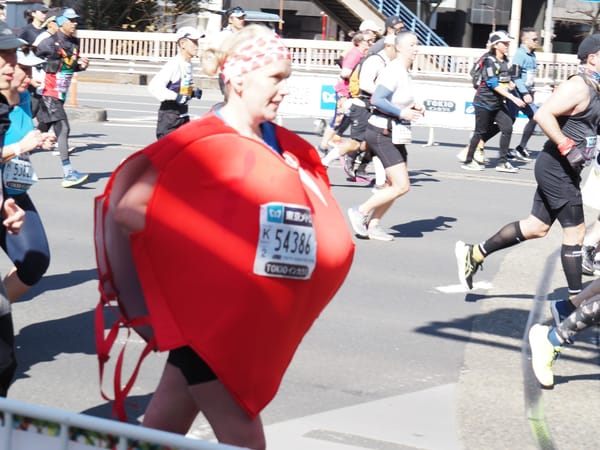
You cannot run the 2027 Tokyo Marathon, because the 40,000 places went in a ballot that closed in August 2026. But race day, Sunday 7 March 2027, is one of the great free shows in Tokyo: wheelchair racers at 9:05, the world's best marathon runners at 9:10, then hours of costume runners, all on closed streets from Shinjuku to Tokyo Station. Here is where to stand.
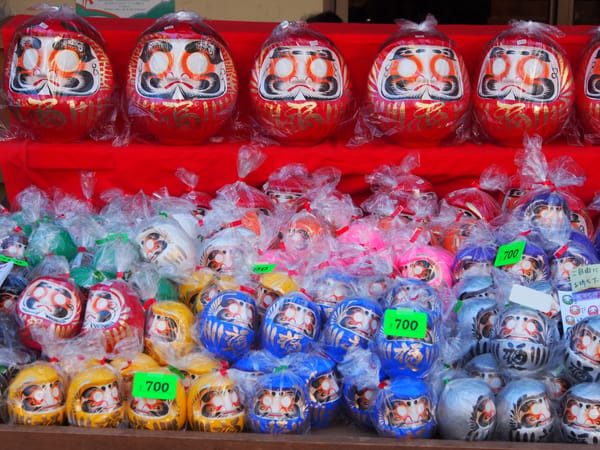
For two days every March, hundreds of stalls fill the grounds of Jindaiji Temple in Chofu with daruma dolls of every size and colour, and monks open each new doll's first eye with a Sanskrit character. It is one of Japan's three great daruma markets, an easy bus ride from Shinjuku.
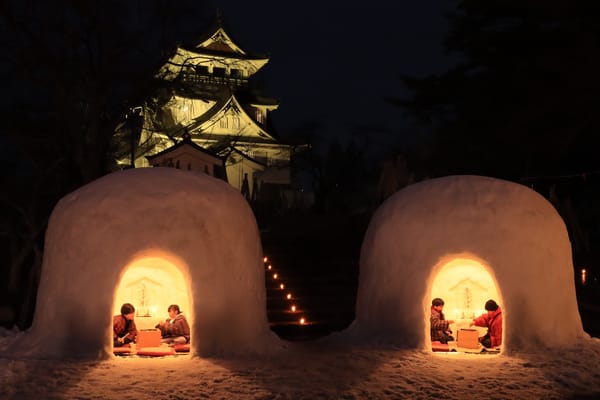
On 12 and 13 February 2027, and note that the dates have moved, the children of Yokote in Akita invite strangers into candle-lit snow huts and serve them grilled mochi and sweet amazake. The custom is about 450 years old, and it only happens on two evenings a year.