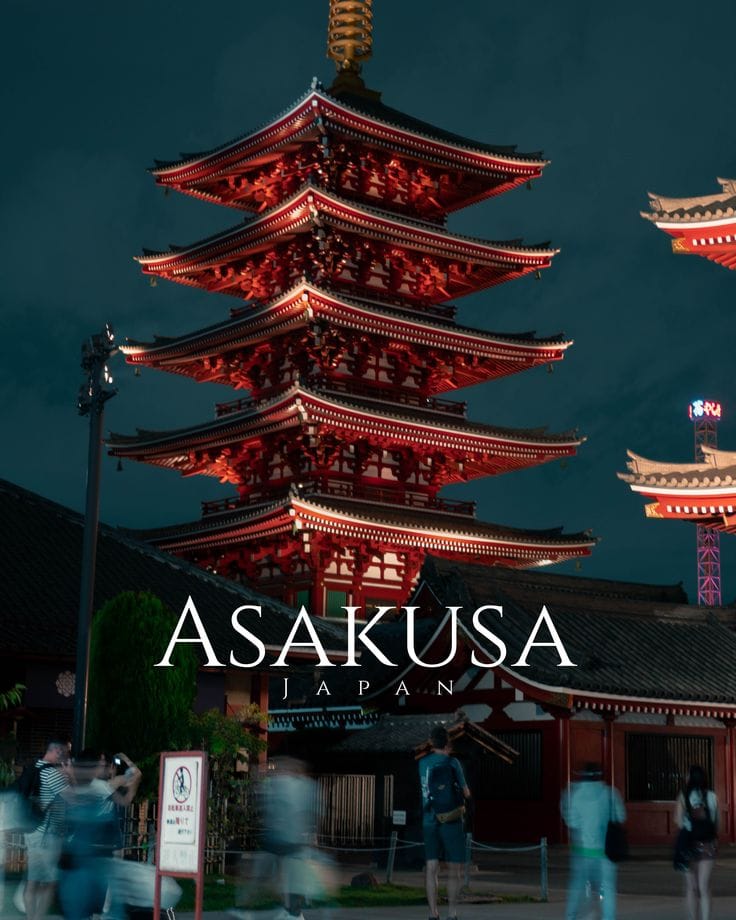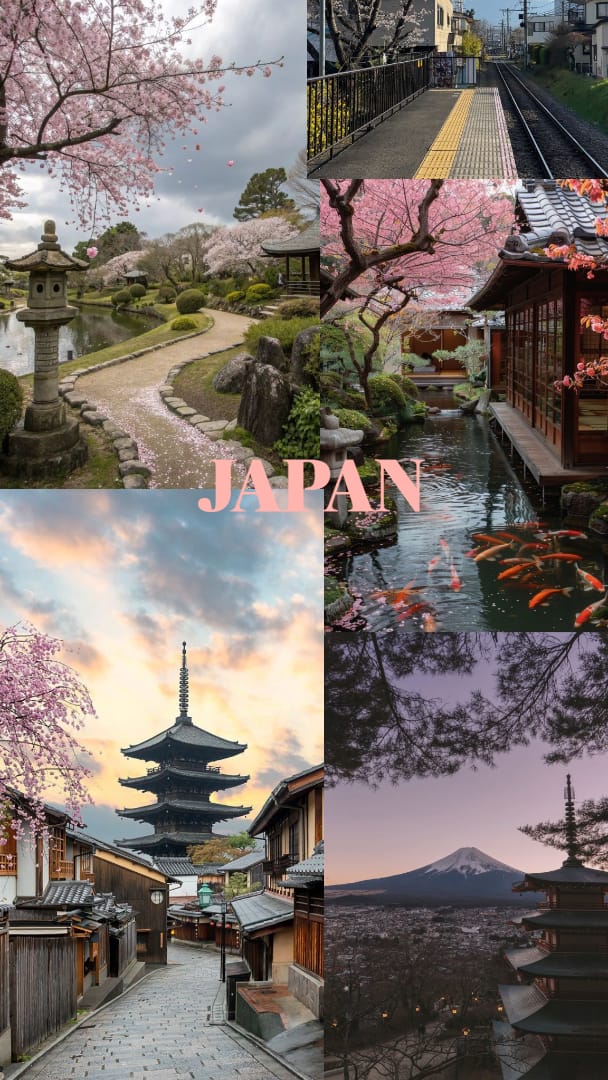
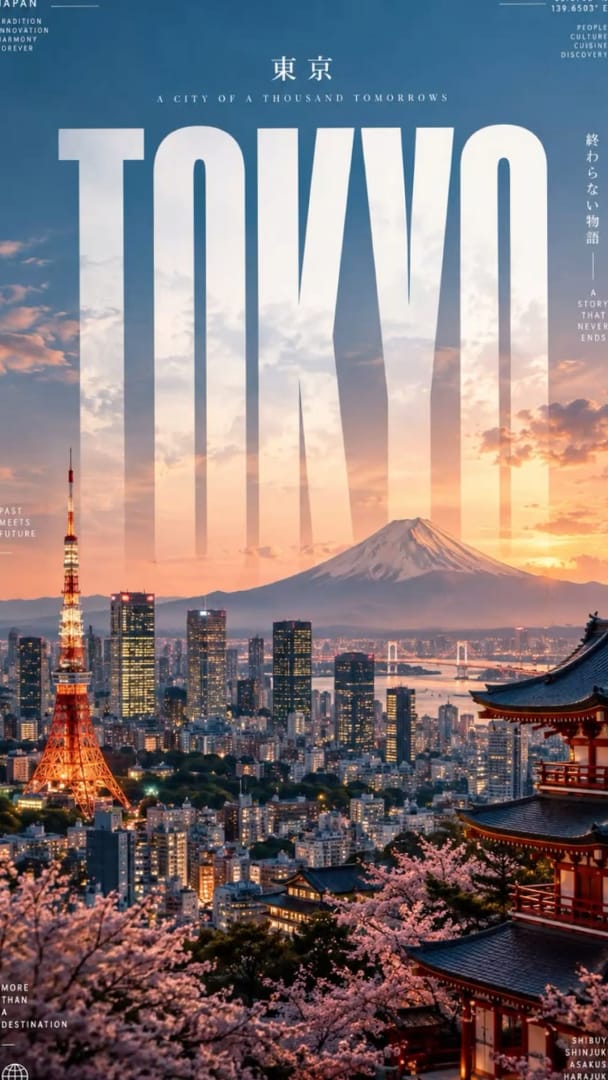
Japan is a destination worth experiencing in every season. Spring brings delicate cherry blossoms, summer fills the streets with traditional festivals, autumn transforms gardens and mountains into colourful landscapes, and winter offers snowy villages, steaming hot springs, and beautiful illuminations.
But when is the best time to visit Japan?
The answer depends on your travel style. You might dream of photographing cherry blossoms in Tokyo, exploring Kyoto's historic temples beneath autumn leaves, experiencing a traditional summer festival, or enjoying a peaceful winter escape in the mountains.
For most first-time visitors, spring and autumn offer the best balance of sightseeing opportunities and comfortable weather. However, these popular seasons can also bring larger crowds and higher accommodation prices. Visiting during winter or the rainy season can be equally rewarding if you choose destinations that suit the conditions.
This guide explores Japan month by month, helping you decide when to visit, what to experience, and how to plan a trip that matches your interests and budget.
| Your travel priority | Best time to consider |
|---|---|
| Cherry blossoms and spring scenery | Late March to early April in many central destinations |
| Autumn leaves and pleasant sightseeing | October to November, depending on the region |
| Snow, skiing, and winter landscapes | January to February |
| Traditional festivals and fireworks | July to August |
| Outdoor sightseeing and countryside trips | May and October to November |
| Potentially quieter, more affordable travel | January after New Year, February, and June |
| Beaches and subtropical scenery | Spring through autumn, depending on the destination and weather |
These are general seasonal guidelines rather than fixed dates. Japan stretches across several climate zones, so conditions in Hokkaido can be very different from those in Tokyo, Kyoto, Okinawa, or other southern destinations.
January is a great month to experience Japan's quieter winter atmosphere, particularly after the New Year holiday period. Tokyo and Osaka often have crisp days, while Hokkaido and northern Japan offer snow-covered landscapes and winter sports.
The beginning of January is an important holiday period. Many people visit shrines and temples for hatsumode, the first shrine or temple visit of the year. Some businesses and attractions may close or adjust their hours.
Best experiences in January
Weather: Cold in much of the country, with significant snowfall in Hokkaido and some mountainous regions.
Travel tip: Check opening hours around New Year and reserve accommodation in advance if visiting a popular ski resort.
February is one of the best months for travellers who want to experience Japan's snowy landscapes. Hokkaido is especially appealing, while mountain destinations offer opportunities for skiing, snowboarding, and relaxing in hot springs.
The Sapporo Snow Festival is a major seasonal highlight, featuring impressive snow and ice sculptures. Plum blossoms also begin appearing in some regions, offering an early sign of spring.
Best experiences in February
Weather: Cold, with snow common in northern Japan and mountain areas.
Travel tip: Pack warm layers and suitable footwear. If you're travelling during a major festival, check the dates and book early.
March marks the transition from winter to spring. Temperatures gradually rise in many regions, flowers begin to appear, and cherry blossom season approaches.
Some early cherry blossoms may appear toward the end of the month in central Japan, although the timing changes each year. Southern regions generally experience spring earlier than northern Japan.
Best experiences in March
Weather: Cool to mild, with chilly mornings and evenings.
Travel tip: If cherry blossoms are your main priority, check the latest forecasts before finalising your itinerary. Blooming dates can shift significantly with the weather.
April is one of Japan's most famous travel months. In many years, cherry blossoms bloom around late March and early April in popular destinations such as Tokyo, Kyoto, and Osaka.
Parks and riversides become popular gathering places for hanami, the tradition of enjoying cherry blossoms. The mild spring atmosphere also makes April an excellent time for walking tours, sightseeing, and exploring Japan's historic districts.
Best experiences in April
Weather: Generally mild, although rain and cool evenings are possible.
Travel tip: Cherry blossom season is extremely popular. Book accommodation early, and be aware that Golden Week begins toward the end of April.
May is an excellent month for exploring Japan, especially after Golden Week. The countryside becomes greener, gardens are full of life, and conditions are often pleasant for walking and outdoor activities.
Golden Week, a cluster of national holidays around late April and early May, is one of the busiest domestic travel periods in Japan. Trains, hotels, and popular attractions can become crowded.
Best experiences in May
Weather: Mild to warm in many major destinations, although conditions vary by region.
Travel tip: The second half of May is often a particularly appealing time to visit after the Golden Week rush and before the main rainy season affects much of central Japan.
June is associated with tsuyu, Japan's rainy season, across much of the country. Rainfall can be frequent, but it does not necessarily rain throughout the entire day.
The rain brings lush greenery to gardens, forests, and temple grounds. Hydrangeas are also a seasonal highlight, and some popular destinations may be less crowded than during cherry blossom season.
Hokkaido is worth considering if you prefer outdoor exploration, as it generally avoids the main rainy-season pattern experienced across much of mainland Japan.
Best experiences in June
Weather: Mild to warm, with increasing humidity and periods of rain.
Travel tip: Pack a compact umbrella, a light waterproof jacket, and comfortable shoes. Keep indoor alternatives in your itinerary.
July brings a lively summer atmosphere to Japan. Traditional festivals, fireworks displays, street food, and seasonal celebrations offer a wonderful opportunity to experience local culture.
Kyoto's Gion Matsuri is one of the country's best-known festivals, with events throughout July and major processions on specific dates. Summer also brings opportunities to explore Hokkaido and cooler mountain areas.
Best experiences in July
Weather: Hot and humid in many cities, with rain possible depending on the region and time of the month.
Travel tip: Plan outdoor sightseeing for mornings or evenings, stay hydrated, and check festival dates before travelling.
August is one of Japan's hottest months, but it is also a lively period for seasonal events. Fireworks displays, traditional dances, and summer festivals create a festive atmosphere.
Coastal destinations and mountain regions offer alternatives to the heat of major cities. However, August overlaps with the Obon holiday period, when domestic travel can become especially busy. Typhoons may also affect travel plans.
Best experiences in August
Weather: Hot and humid, with a risk of typhoons and heavy rain.
Travel tip: Book transport and accommodation early around Obon. Check weather advisories and allow flexibility in your travel plans.
September begins with summer-like conditions in many parts of Japan. Temperatures gradually ease later in the month, particularly in northern regions and higher elevations.
This can be a rewarding time for travellers who prefer fewer peak-season sightseeing crowds. However, September falls within the main typhoon season, so checking the forecast is especially important.
Best experiences in September
Weather: Warm and humid in many areas, with possible heavy rain and typhoons.
Travel tip: Keep your itinerary flexible and monitor official weather warnings, particularly before mountain trips, cruises, or other outdoor activities.
October is one of the best months for exploring Japan. Summer heat generally begins to ease, making it more comfortable to discover cities, historic sites, gardens, and the countryside.
Autumn colours often begin appearing in Hokkaido and higher-altitude regions during October, while Tokyo and Kyoto typically reach their main foliage season later.
The month is also associated with harvest festivals and seasonal food, making it an excellent time for travellers who enjoy both culture and nature.
Best experiences in October
Weather: Often comfortable for sightseeing, although regional differences and occasional storms remain possible.
Travel tip: October is popular for outdoor activities and cultural trips. Book accommodation in advance for famous destinations and check regional foliage forecasts.
November is one of the most rewarding months to experience Japan's autumn colours. As the season progresses, trees across many central and southern destinations turn shades of red, orange, and gold.
Kyoto's temples and gardens are especially popular, while Tokyo offers beautiful seasonal scenery in its parks and traditional Japanese gardens.
Cooler weather also makes November a pleasant time for walking, exploring historic districts, and enjoying a hot-spring getaway.
Best experiences in November
Weather: Cool to chilly, particularly in the mornings and evenings.
Travel tip: Popular foliage spots can become very crowded, especially in Kyoto during late November. Visit early in the day and reserve accommodation ahead of time.
December brings winter scenery, seasonal illuminations, and a festive atmosphere to many Japanese cities. Tokyo and Osaka often feature impressive light displays, while Hokkaido and snowy mountain destinations begin welcoming winter visitors.
It is also a lovely month for hot springs, winter cuisine, and exploring Japan's cities in a different season.
The end of December is an important holiday period, and some businesses and attractions close or adjust their hours around New Year.
Best experiences in December
Weather: Cold in most major cities, with snow more likely in northern and mountainous regions.
Travel tip: Check opening hours and transport schedules around New Year. Reserve popular winter accommodation well in advance.
The best month depends on the experience you want from your trip.
Consider late March to early April for Tokyo, Kyoto, and Osaka in a typical year. Blossoms generally appear earlier in southern Japan and later in northern Japan. Check current forecasts because flowering dates change annually.
October is a good choice for many northern and higher-altitude destinations. November is often excellent for Tokyo, Kyoto, and other central Japanese locations, although the timing depends on local conditions.
July and August offer many summer festivals and fireworks displays. Spring and autumn also feature seasonal events, so check the calendar for your chosen destination.
January and February are strong choices for snowy landscapes and winter sports in Hokkaido and other suitable mountain regions.
May after Golden Week and October to November are excellent periods to consider for walking tours, gardens, cultural attractions, and countryside trips.
January after New Year, parts of February, and June can offer better value in some destinations. However, prices depend on flights, local events, school holidays, and whether you are visiting a ski resort or another seasonal hotspot.
Japan's busiest travel periods often coincide with major seasonal attractions and domestic holidays.
To enjoy a more relaxed trip, consider visiting popular attractions early in the morning, travelling on weekdays where possible, and exploring lesser-known neighbourhoods or regional destinations.
Your packing list should reflect the season and the regions you plan to visit.
Spring: Bring layers, a light jacket, comfortable walking shoes, and a compact umbrella.
Summer: Pack breathable clothing, sun protection, a hat, and rain gear. Prepare for heat and humidity.
Autumn: Bring layers and a jacket for cooler evenings, especially in northern or mountainous regions.
Winter: Pack a warm coat, thermal layers, gloves, and suitable footwear. Snowy destinations may require shoes with good grip.
Whatever the season, comfortable walking shoes are essential. Exploring Japan often involves walking between train stations, temples, shopping streets, and neighbourhood attractions.
If cherry blossoms are your dream, aim for late March to early April in popular central destinations, while keeping your dates flexible.
If you prefer comfortable sightseeing and autumn scenery, October to November is an excellent choice, with October often suiting northern and higher-altitude destinations and November offering beautiful foliage in many central locations.
For a balance of pleasant weather and potentially fewer peak-season crowds, consider the second half of May. If you love winter landscapes, choose January or February for suitable snowy regions. If festivals and fireworks appeal to you, summer can be memorable, provided you prepare for the heat and humidity.
There is no single perfect month for everyone. Japan's appeal lies in how dramatically its scenery, food, traditions, and atmosphere change throughout the year.
Choose the season that best matches your interests, research local conditions, and plan around major holidays. With the right preparation, any month can be the beginning of an unforgettable Japanese adventure.
Planning note: Weather, blossom dates, autumn foliage, festival schedules, opening hours, and prices can change. Check official tourism and event websites before booking.
7 minutes to read. · October 28, 2026