First-Time Visitor’s Guide to Japan: Everything You Need to Know
From ancient temples to neon-lit streets, Japan is one of the most extraordinary destinations on earth. Here’s how to plan your perfect first trip.
1. Why Visit Japan?
Japan is a country that defies easy description. In one afternoon you can meditate inside a 1,200-year-old Zen temple, then board a bullet train reaching 320 km/h, then eat the best ramen of your life at a standing counter in a train station. Few destinations on earth offer this density of extraordinary experience.
For first-time visitors, Japan is also famously safe, clean, and easy to navigate — even without speaking Japanese. The country welcomes millions of international tourists each year and has invested enormously in making the experience accessible, from English signage in major cities to multilingual transport apps.
Whether you’re drawn by samurai history, futuristic technology, world-class cuisine, natural landscapes, or simply the curiosity of a culture so distinct from the West, Japan delivers on every front.
2. When to Go: Best Time to Visit Japan
Japan is a year-round destination, but each season offers a profoundly different experience. Timing your trip around Japan’s seasons — particularly cherry blossom and autumn foliage seasons — can make the difference between a good trip and an unforgettable one.
Spring (March–May) is peak season for cherry blossoms (sakura). The blooms typically peak in late March to early April in Tokyo and Kyoto, and hotels fill up months in advance. Autumn (September–November) rivals spring for beauty, with fiery maple leaves (koyo) and cooler, comfortable temperatures.
Book accommodation 4–6 months ahead if travelling during cherry blossom season (late March–early April). Hotels in Kyoto especially sell out quickly.
3. Japan Visa & Entry Requirements
Citizens of over 60 countries — including the USA, UK, EU member states, Australia, Canada, and New Zealand — can enter Japan visa-free for up to 90 days for tourism. Always check the latest requirements from the Japanese Ministry of Foreign Affairs before travelling, as policies can change.
You’ll need a valid passport (with at least 6 months validity), a return ticket, and proof of sufficient funds. Some regions have introduced advance registration systems for overtourism hotspots — check current requirements closer to your travel date.
Carry a printed or digital copy of your accommodation details. Immigration officers occasionally ask for this at entry.
4. Getting Around Japan
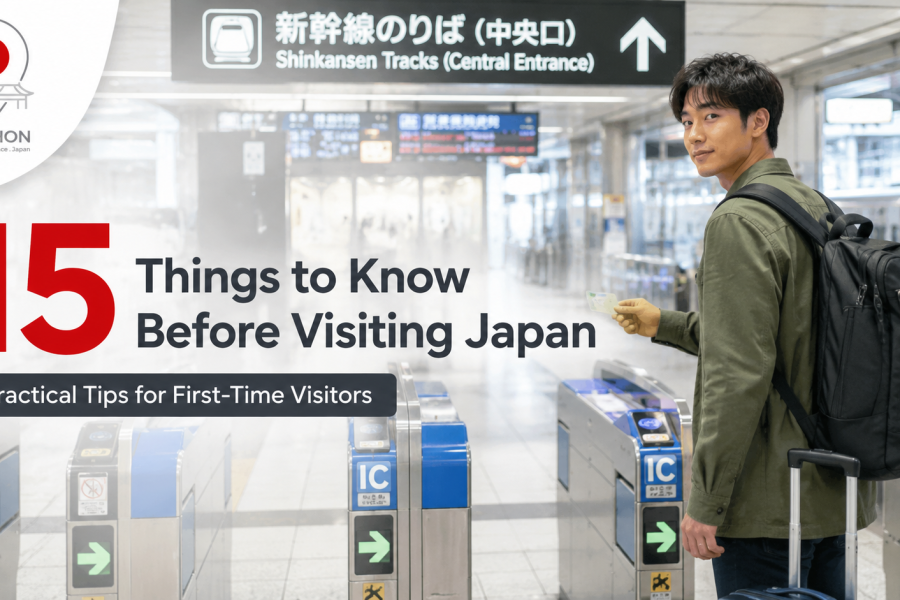
Japan has one of the finest public transport networks in the world. Trains run on time to the minute, are immaculately clean, and reach virtually every corner of the country.
The Japan Rail Pass (JR Pass) is worth buying if you plan to travel between multiple cities. A 7-day pass covers unlimited Shinkansen travel on JR lines. For city travel alone, a Suica or PASMO IC card loaded with yen is all you need.
5. Where to Stay in Japan
Japan offers accommodation for every budget and preference, from 5-star Tokyo tower hotels to centuries-old inns in mountain villages.
A ryokan (traditional Japanese inn) is a must-try for first-time visitors. You’ll sleep on a futon laid on tatami floors, wear a yukata robe, soak in a communal onsen (hot spring bath), and enjoy a multi-course kaiseki dinner. Rates typically include dinner and breakfast, ranging from ¥10,000 to ¥60,000+ per person per night.
Business hotels like Toyoko Inn, Dormy Inn, and APA Hotel offer clean, compact, well-located rooms from ¥6,000–¥12,000 per night — outstanding value. Capsule hotels are a uniquely Japanese experience perfect for solo travelers.
Spend at least one night in a ryokan — ideally in Kyoto, Hakone, or Nikko. It’s one of the most distinct and memorable experiences Japan offers.
6. Money, Costs & Budgeting
A mid-range daily budget of ¥10,000–¥15,000 (approximately $65–$100 USD) per person covers comfortable accommodation, meals, transport, and entry fees. Budget travelers can get by on ¥5,000–¥7,000 per day.
Japan remains a heavily cash-based society. Always carry ¥10,000–¥20,000 in cash. ATMs at 7-Eleven, Japan Post, and international airports reliably accept foreign cards.
Get cash from 7-Eleven ATMs — they accept virtually all international debit and credit cards. Avoid airport currency exchange booths for large amounts.
Food in Japan is an extraordinary bargain for the quality. A bowl of ramen costs ¥800–¥1,200. Convenience stores (7-Eleven, Lawson, FamilyMart) serve genuinely delicious meals for under ¥500.
7. Japanese Etiquette & Cultural Tips
Japan is a culture that places deep value on harmony, respect, and consideration for others. A few basics will earn you enormous goodwill and make your experience far richer.
Tipping is not customary in Japan and can cause confusion or embarrassment. Exceptional service is simply the standard — no tip required or expected.
8. What to Eat in Japan
Japan takes food more seriously than perhaps any other country on earth. Tokyo alone has more Michelin-starred restaurants than Paris and New York combined. But the real magic lies in everyday expressions — ramen shops, sushi counters, izakayas, and yakitori stalls.
Don’t leave Japan without trying: ramen (specifically the regional variety of wherever you are), fresh sushi at a traditional counter, yakitori at a smoky izakaya, tempura, takoyaki in Osaka, okonomiyaki, and a perfectly assembled convenience store onigiri at 2am.
Many ramen and gyudon shops use ticket vending machines at the entrance. Select your dish, pay, hand the ticket to staff. No Japanese required.
9. Must-See Destinations for First-Time Visitors
For a first visit, the classic Golden Route — Tokyo → Hakone → Kyoto → Nara → Osaka — hits the most extraordinary highlights in a logical geographic arc.
Tokyo is the world’s largest city and endlessly fascinating: the ancient Senso-ji Temple in Asakusa, the dizzying crossing of Shibuya, the electronics of Akihabara, and the luxury of Ginza. Plan at least four days.
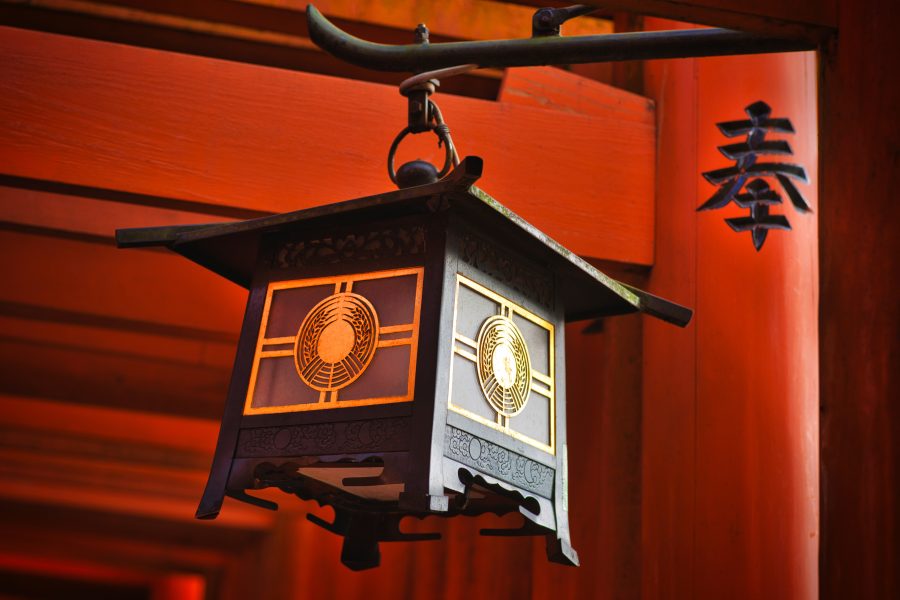
Kyoto is Japan’s cultural and spiritual heart — over 1,600 Buddhist temples, 400 Shinto shrines, 17 UNESCO World Heritage Sites. The bamboo groves of Arashiyama, the 10,000 torii gates of Fushimi Inari, the geisha district of Gion. Allow three to four days minimum.
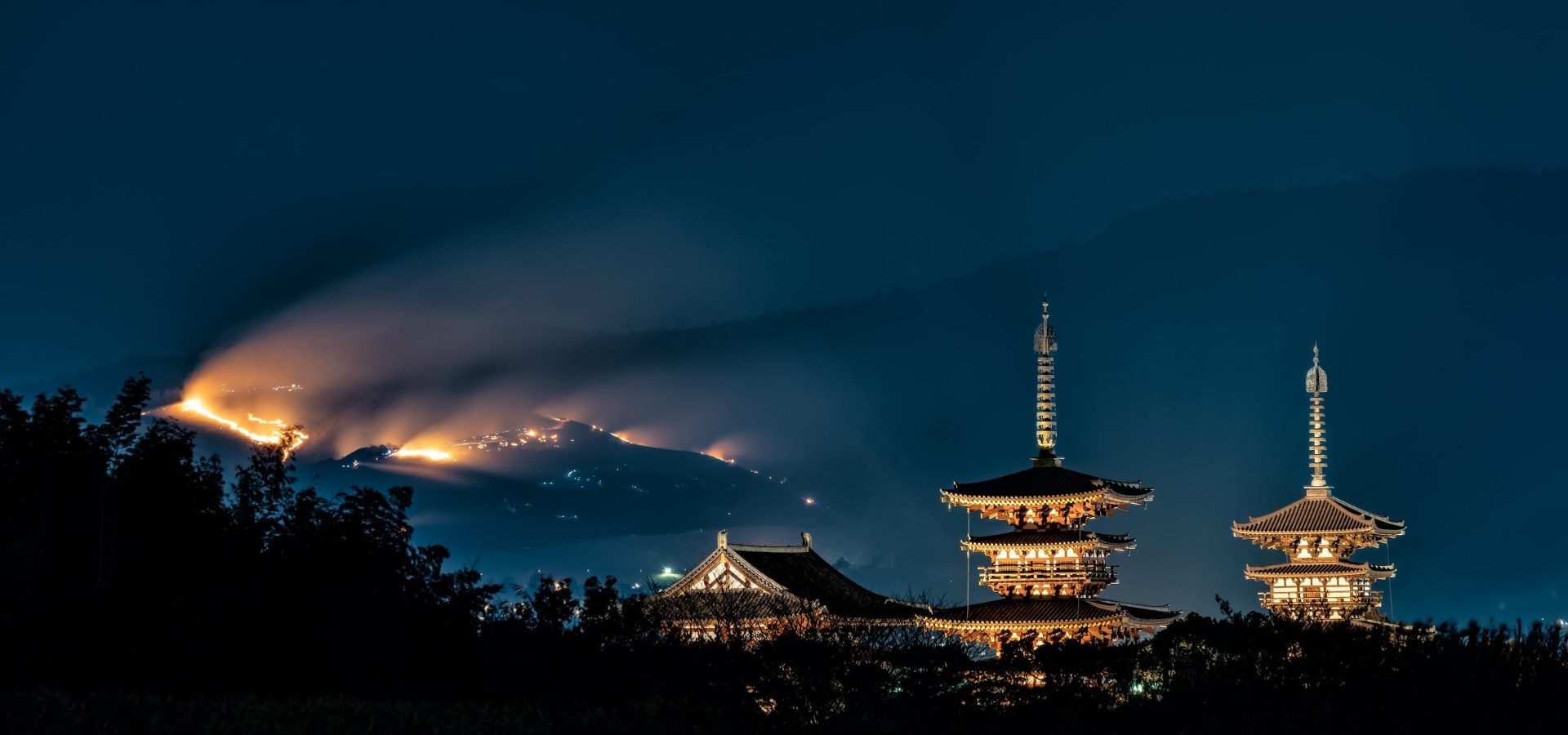
Osaka is Japan’s food capital — louder, grittier, and more chaotically fun than Kyoto. The Dotonbori district at night is one of Asia’s great spectacles. Easily combined with a day trip to Nara to feed the sacred deer.
Hakone offers hot spring ryokan, dramatic views of Mount Fuji, and mountain scenery — a perfect one or two night stop between Tokyo and Kyoto.
10. Practical FAQ for First-Time Japan Visitors
No. English signage is excellent in major cities and tourist areas. Google Translate’s camera function handles menus and signs instantly. A few polite phrases — arigatou gozaimasu (thank you), sumimasen (excuse me) — go a long way.
Extremely. Japan consistently ranks among the safest countries in the world. Solo travel — including solo female travel — is very common. Lost items are routinely handed in to police boxes (koban).
Get a tourist eSIM (Ubigi, Airalo, IIJmio) before departure, or pick up a prepaid data SIM at the airport. Google Maps works flawlessly for navigation. Download offline maps of Japan as a backup.
Ten to fourteen days is ideal for a first visit covering the Golden Route. Seven days is doable but rushed. Longer is always better — Japan rewards slow exploration and repeat visits.
Many onsen and some gyms prohibit visible tattoos due to historical associations with organised crime. Private onsen rooms (kazoku-buro) are widely available as an alternative. Attitudes are gradually shifting, especially in cities.